


Sprunki Funky Beat
4.7118.00 Reviews
App Specs
- Version
- 4.4
- Updated On
- License
- Free
- Downloads
- 5,000,000+
- Developer
- Gotstar Studio
- Categories
- Music
- Platform
- Android
Screenshots
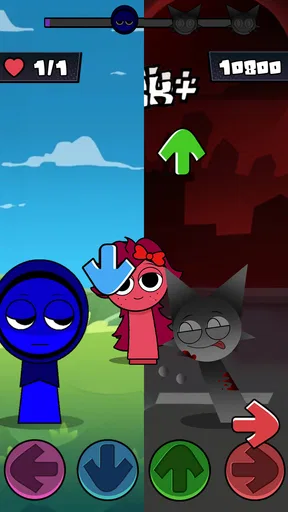
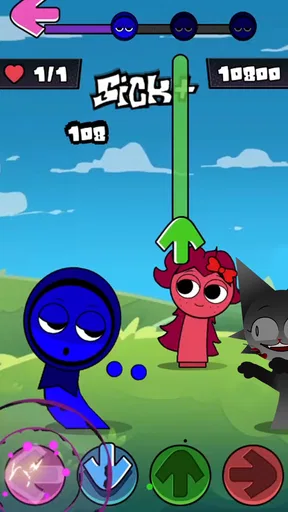
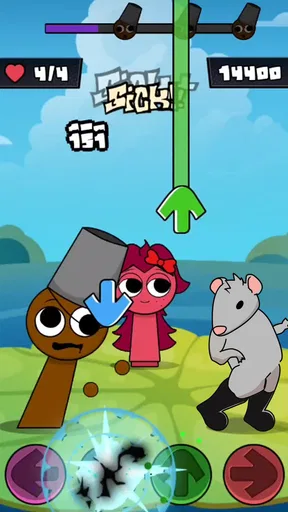
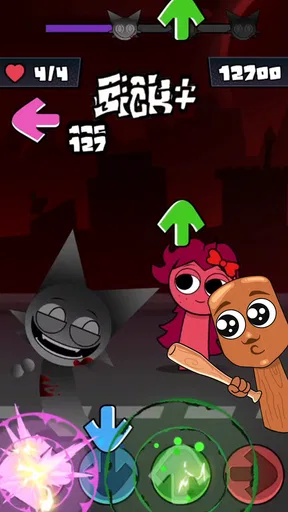

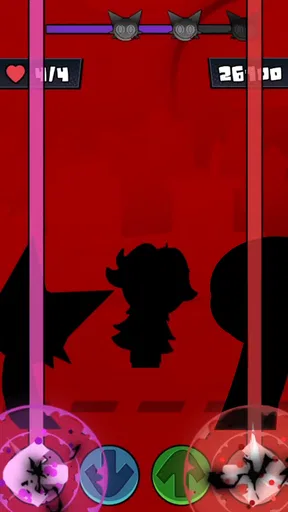
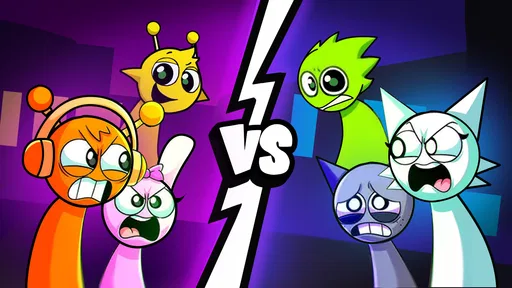
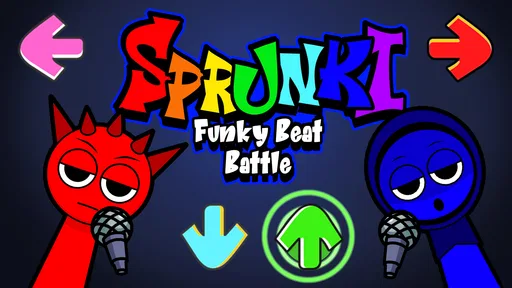
 Analysis by AppCompare
I’d approach Sprunki Funky Beat as a light, beat-driven game for short bursts rather than a full music-learning tool. Its appeal is the simple promise of reacting to a rhythm, with Sprunki characters giving the experience a playful identity. That makes it easy to pick up when I have a few spare minutes, though the fun depends on enjoying quick, repeated challenges more than on exploring music in depth.
Where the game stands now
Gotstar Studio’s free music game is currently at version 2.9, and it has reached over five million installs. Its average score is 4.8 from around 8.9 thousand ratings, with 47 written reviews. Those figures suggest that many players have found something enjoyable in it, but they don’t tell me whether its particular style will suit you: the key question is whether you like timing-focused play built around a funky, character-led presentation.
The game is rated for Everyone, so its general audience is broad. I’d still treat that as a content-age guide rather than a promise that every session will suit every player: a person who dislikes rapid visual prompts, repeated attempts, or score-chasing may not enjoy it. It is free to start, while optional in-app purchases range from $0.99 to $49.99 per item. I’d decide first whether the basic rhythm loop holds my attention, then consider any purchase only if I understand what it adds and genuinely want it.
What the release history can—and cannot—tell us
The game was released on June 11, 2025, and version 2.9 is its current version. That establishes a release point and a present version, but it doesn’t by itself show what changed between releases. I wouldn’t assume that a particular song, mode, customization option, or performance improvement was added in an update without checking the current game itself.
For someone who already plays, the practical approach is to look at the version shown on their device and compare it with the current one before deciding whether to revisit the game. An update can matter if it addresses something you noticed, but a higher version number alone is not a reason to expect a specific improvement. New players can simply start with the current build and judge the feel of the controls and rhythm for themselves.
Who is likely to enjoy it
I’d recommend giving it a try if you want an uncomplicated music game that can fit into a break, or if the Sprunki theme is part of the appeal. It may also suit someone looking for a casual game to share with a younger player, with the usual sensible boundaries around spending and screen time. If you prefer learning an instrument, building a playlist, or following a deep campaign, a dedicated music-learning app, streaming service, or more involved rhythm game would be a better match.
In an everyday setting, I can see it working as a quick reset between tasks: play a round, put the phone down, and return to what I was doing. That is a better fit than opening it when I need a quiet activity, since rhythm games ask for attention to both sound and on-screen cues. If I’m in a place where audio would be disruptive, I’d check whether the game remains comfortable to play at low volume before relying on it there.
Worth Reading Before You Choose

Switching to Android Auto Means Rethinking Your Driving Routine

Google Calendar Makes a Crowded Week Easier to Manage

Baby Panda World Brings Quick Play to Modern Phones, but Its Game Library Feels Busy

ESPN’s Live Game View Makes Following Close Games Easier

QuizzLand Review: A Good Fit for Short Trivia Breaks, Not Every Player

Basketball Stars: Multiplayer Is Fast, but Can It Recover When Matches Go Wrong?
Getting into the Groove
From the moment I launched Sprunki Funky Beat, I was hooked. The vibrant colors and catchy background tracks set the stage for what’s to come. The app welcomes you with an intuitive interface, making it super easy to navigate even if you’re not tech-savvy. Just tap to start and you’re in the game.
The Gameplay Experience
The gameplay is straightforward yet addictive. You tap, swipe, and hold the tiles as they cascade down your screen in sync with the beat. It sounds simple, but trust me, it’s a full-on workout for your fingers and your brain. The better your timing, the higher your score, and the more rewards you unlock. It’s like chasing that high score you never knew you needed.
One thing I absolutely love is the variety of tracks available. There’s something for everyone, from funky classics to modern hits. And the best part? They keep adding new songs regularly, so the tunes never get stale.
The Gameplay, Practically
That tap, swipe, and hold loop is easiest to enjoy when I give it a little attention rather than playing distractedly. A useful habit is to start with a comfortable volume and hold the phone securely; once the notes begin arriving, looking away even briefly can throw off timing. If a sequence feels difficult, repeating it with the aim of learning its rhythm—not merely chasing a higher score—can make the next attempt feel less random.
There’s a trade-off in this kind of design: familiar gestures make the first session approachable, but they can also make repeated play feel similar if I’m not motivated by improving my timing. I’d treat rewards as a bonus, not the main reason to keep going. If the basic beat-and-response pattern stops being satisfying, taking a break is more sensible than assuming that grinding will reveal a deeper mode of play.
For a new player, I’d also separate the game’s music from the idea of music practice. Following timed prompts can sharpen attention and coordination in the moment, but it is not the same as learning rhythm notation or an instrument. That distinction matters if you’re choosing an app for a child or hoping to build a musical skill: this is entertainment first, and a dedicated learning tool is the more direct choice for structured lessons.
Features that Stand Out
Now, let’s talk about those features that make this game pop. The app includes a multiplayer mode, where you can challenge friends or random players online. There’s nothing like a little competition to amp up the excitement. Plus, the leaderboards let you see how you stack up against players worldwide.
Competition can be a useful extra when I want a reason to replay a song, but it can also shift the mood from relaxed play to score pressure. I’d use a leaderboard as a personal reference rather than a verdict on skill; differences in experience and familiarity can make a global ranking feel discouraging for a newcomer. Players who prefer solo sessions should decide whether the core rhythm challenges are enjoyable on their own instead of treating online play as essential.
If you’re planning to challenge a friend, it helps to agree on a track or a goal before starting, so the comparison feels fair and fun. And if you’re considering a match with a random player, I’d keep expectations flexible: the appeal is a quick competitive change of pace, not necessarily a place to build a long-term social group. Multiplayer makes the game more appealing to people who like head-to-head motivation; it is less important for anyone who simply wants a few minutes of tapping.
Another cool feature is the customization options. You can personalize your tiles and backgrounds to suit your vibe. It’s these little touches that make the game feel uniquely yours.
I’d treat visual customization as a comfort choice rather than a gameplay advantage. A background that looks lively in a screenshot may compete with moving notes once play gets faster, so I’d choose a setup that keeps the action easy to read. If changing the look becomes a distraction, settling on one clear style and returning to the beat is a practical way to keep the screen from stealing attention.
Limits worth weighing before you settle in
The usual alternatives in music gaming tend to serve different moods: some focus on a large song catalogue, others emphasize precise score competition, and music-learning apps are built around lessons. Sprunki Funky Beat’s clear draw is its Sprunki-themed, quick-reaction format. That can be more inviting than a formal practice app, but it is not automatically the strongest choice for someone who wants extensive song discovery or a structured path from beginner to advanced play.
I’d also keep the purchase range in mind before handing the phone to a child or letting a casual player browse unsupervised. Free access lowers the barrier to trying it, but optional purchases still make it worth setting expectations in advance. A simple rule—play first, discuss purchases separately—helps keep a short game session from turning into an unplanned spending decision.
Device fit is another practical consideration. The minimum operating-system requirement is Android 7.0, so an older Android device below that threshold is not a suitable starting point. On a compatible phone, I’d try a short session before deciding whether the display, sound, and touch response feel comfortable. Rhythm games are particularly sensitive to how well I can see and react, so a setup that is technically supported may still not be pleasant for every player.
What to watch as you decide
Because the game is already at version 2.9, I’d judge it by the experience available now rather than by assumptions about what its next update might bring. For existing players, the useful things to notice are whether the current controls still feel responsive, whether the available tracks keep them interested, and whether competition or personalization adds real enjoyment. Those are personal checks, not promises about future changes.
New players often want to know whether they need to pay before they can enjoy it, whether it suits a younger audience, and whether it is worth keeping installed after the novelty fades. It is free to begin, carries an Everyone age rating, and is best evaluated through a few ordinary sessions: try it alone, see whether the rhythm loop remains fun, and decide whether the optional competitive elements matter to you. The broader install and rating figures offer useful context, but your own response to the timing and presentation is the better guide.
Final Thoughts
In conclusion, Sprunki Funky Beat is a must-try for anyone who loves rhythm games. It’s fun, challenging, and endlessly entertaining. Whether you’re killing time or in need of a quick music fix, this app delivers. So go ahead, download it and let your fingers do the dancing!
Ready to get your groove on? Click the link below to download Sprunki Funky Beat and join the rhythm revolution.
Pros
- Intuitive interface for easy navigation.
- Wide variety of music genres available.
- Engaging multiplayer challenges.
- Regular updates with new features.
- Offline mode for on-the-go play.
Cons
- Occasional in-app purchase prompts.
- Requires significant storage space.
- Limited free content options.
- Battery usage is relatively high.
- No voice chat in multiplayer mode.
FAQs for Sprunki Funky Beat
What is Sprunki Funky Beat?
Sprunki Funky Beat is a rhythm-based mobile game available for both Android and iOS. Players tap and swipe in time with the music to score points and progress through increasingly challenging levels. The game features a vibrant soundtrack and colorful graphics that enhance the immersive experience.
Is Sprunki Funky Beat free to play?
Yes, Sprunki Funky Beat is free to download and play. However, it offers in-app purchases for players who want to enhance their experience with additional songs, power-ups, or cosmetic items. These purchases are optional and not necessary to enjoy the core gameplay.
What are the system requirements for Sprunki Funky Beat?
For Android, Sprunki Funky Beat requires version 6.0 (Marshmallow) or higher and at least 2GB of RAM for optimal performance. For iOS, it requires iOS 11.0 or later, and is compatible with iPhone, iPad, and iPod touch. Ensure your device meets these requirements for the best experience.
Can I play Sprunki Funky Beat offline?
Sprunki Funky Beat can be played offline, allowing you to enjoy the game without an internet connection. However, certain features like leaderboards, social sharing, and downloading new songs require an online connection. Playing offline doesn't affect the core gameplay experience.
Does Sprunki Funky Beat support multiplayer mode?
Currently, Sprunki Funky Beat does not support real-time multiplayer mode. However, players can compete against friends by comparing scores on online leaderboards. The game encourages friendly competition through social sharing features, making it easy to challenge and connect with friends.


